
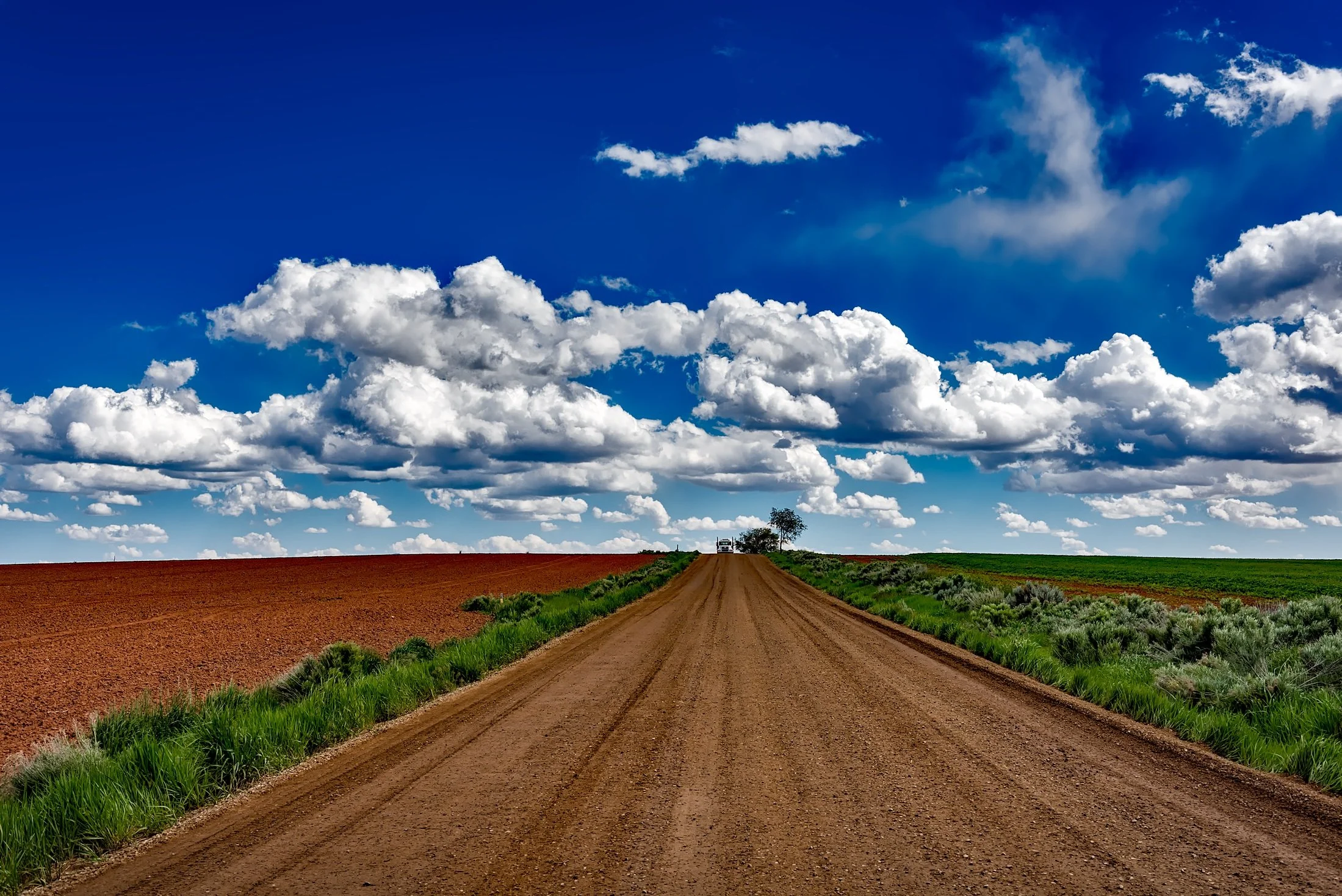
Gravel Road Stabilization
Build stronger, longer-lasting gravel roads with Claycrete™
Gravel roads don’t have to be rebuilt every year.
Claycrete® provides a chemical soil stabilization solution designed to improve the strength, durability, and water resistance of clay-bearing soils used in gravel and unsealed roads.
By stabilizing the existing soil rather than continually adding new aggregate, Claycrete can help reduce rutting, potholes, erosion, gravel loss, dust, and ongoing road maintenance.
Have a gravel road project? Test your soil and find out whether Claycrete is right for your road.
Untreated road
Potholes, washboarding, aggregate loss
Stabilized road
Existing soil treated to depth
Over 30 years
stabilizing clay, gravel and limestone soils.
SGS tested
Claycrete II™ tested under OECD Guideline 423 for acute oral toxicity.
Zero-harm certified
A certified chemical soil stabilizer for all forms of soil stabilization.
What is gravel road stabilization?
Gravel road stabilization is the process of improving the engineering properties of the soil and aggregate that make up a road so the road can withstand traffic and environmental conditions with less deformation and deterioration.
Traditional gravel-road maintenance often relies on repeatedly adding aggregate and grading the road. While this can restore the surface temporarily, it does not necessarily address the underlying soil conditions that contribute to rutting, potholes, erosion, and loss of road material.
Claycrete approaches stabilization differently.
Claycrete II™ is designed to react with suitable clay-bearing soils, helping create a stronger and more water-resistant road structure.
The result can be a road that requires less imported aggregate and less frequent maintenance.
Why do gravel roads fail?
Gravel roads are exposed to several forces that progressively weaken the road structure.
Stabilizing the appropriate soil can address the underlying road structure rather than continually replacing the material that has been lost.
Water is one of the biggest causes of gravel-road deterioration. Rain and runoff can penetrate the road structure, weaken the subgrade, create soft spots, and contribute to rutting and erosion.
Water
Heavy trucks, agricultural equipment, mining vehicles, and other repeated traffic loads place stress on the road surface and underlying soil.
Traffic
Clay-bearing soils can have significant effects on a road’s behavior when moisture conditions change. The engineering characteristics of the soil, including clay fraction, Plasticity Index, and Cation Exchange Capacity, can help determine whether chemical stabilization may be appropriate.
Clay and fine soils
Clay-bearing soils can have significant effects on a road’s behavior when moisture conditions change. The engineering characteristics of the soil, including clay fraction, Plasticity Index, and Cation Exchange Capacity, can help determine whether chemical stabilization may be appropriate.
Aggregate loss
A road that requires frequent grading, gravel replacement, and repairs can become expensive over its service life.
Maintenance cycles
How Claycrete™ stabilizes gravel roads
Claycrete is not simply a surface coating.
The Claycrete process is designed to treat suitable clay-bearing soil within the road structure.
Every project should be evaluated based on its specific soil, traffic, climate, drainage, and construction conditions.
Determine whether the existing soil has characteristics suitable for Claycrete stabilization.
Test the soil
Determine the application rate
Claycrete’s application rate is based on the characteristics of the soil and the desired treatment.
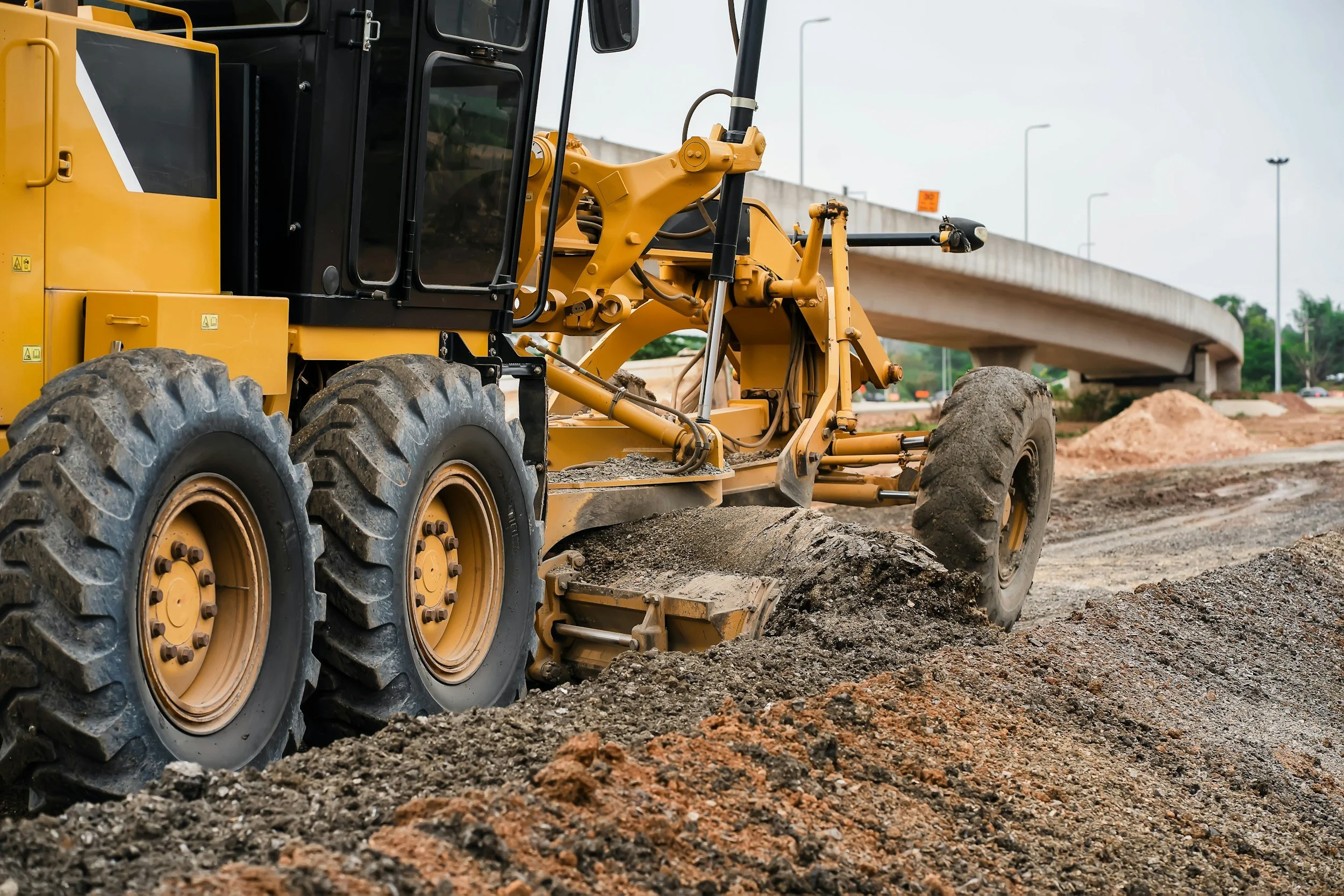
The existing road material is scarified or mixed to the required treatment depth.
Prepare the road
Claycrete II™ is applied according to the project’s calculated treatment rate.
Apply Claycrete
The product is incorporated into the soil to achieve the required distribution throughout the treatment zone.
Mix
The stabilized material is shaped and compacted to create the finished road structure.
Grade and compact
The stabilized road is allowed to develop its final properties according to the project specifications and environmental conditions.
Cure
Claycrete™ and CBR
One of the most important measurements when evaluating a road is its California Bearing Ratio (CBR).
CBR provides an indication of the load-bearing capacity of soil and is commonly used in the design and evaluation of roads, subgrades, and pavement structures.
Claycrete stabilization can increase the bearing strength of suitable soils, potentially allowing the existing material to provide more structural support.
Claycrete recommends testing the existing soil before determining whether stabilization is appropriate.
Why does CBR matter?
A higher CBR can indicate a stronger material capable of supporting greater loads.
For gravel-road projects, CBR testing can help establish:
Existing soil strength
Stabilized soil strength
Required road thickness
Suitability of existing material
Potential changes in aggregate requirements
Is your clay soil suitable for stabilization?
Not every soil should be treated with the same stabilization method.
Claycrete uses soil characteristics to help determine whether Claycrete II™ is appropriate for a particular project. Important characteristics can include:
Clay fraction
Plasticity Index (PI)
Cation Exchange Capacity (CEC)
Existing CBR
Soil moisture
Soil classification
Road traffic
Existing road structure
Claycrete’s soil evaluation process can help determine whether your material has the characteristics needed for successful stabilization.
Start with a soil test
Don’t guess at the treatment rate. Test the soil first. Claycrete can help evaluate your soil and determine whether the material is a candidate for stabilization.
Gravel road stabilization vs. repeated gravel replacement
Repeated gravel replacement
A conventional gravel-road maintenance program may involve repeatedly:
Purchasing aggregate
Hauling aggregate
Placing aggregate
Grading the road
Repeating the process as material is lost or the road deteriorates
Stabilization
Instead of relying entirely on additional aggregate, Claycrete can be used to stabilize suitable existing soil within the road structure. This can potentially reduce:
Imported aggregate requirements
Aggregate hauling
Road maintenance frequency
Rutting
Erosion
Material loss
Long-term maintenance costs
The economics depend on the existing road, soil, traffic, aggregate availability, haul distance, and stabilization requirements. That’s why Claycrete recommends evaluating the actual project rather than applying a generic cost-per-mile estimate.
How much does gravel road stabilization cost?
The cost of stabilizing a gravel road depends on several factors. A road that requires substantial quantities of imported gravel can have very different economics from a road with readily available aggregate nearby.
Key cost variables include:
Road length -
Road Width -
Treatment Depth -
Soil characteristics -
Clay content -
Required Claycrete application rate -
Existing road condition -
Aggregate requirements -
Equipment -
Labor -
Water availability -
Haul distance -
Traffic requirements -
Road length - Road Width - Treatment Depth - Soil characteristics - Clay content - Required Claycrete application rate - Existing road condition - Aggregate requirements - Equipment - Labor - Water availability - Haul distance - Traffic requirements -
Calculate your road cost
Claycrete provides a Road Cost Estimator to help evaluate the economics of a stabilization project. Enter your project information and compare the potential cost of stabilization with conventional road construction and maintenance.
Want a project-specific evaluation?
Applications for gravel road stabilization
County and municipal roads
Improve the performance of gravel roads while potentially reducing recurring maintenance and aggregate requirements.
Logging roads
Improve road performance where traffic, water, and aggregate availability create ongoing maintenance challenges.
Haul roads
Improve the strength and durability of roads subjected to repeated heavy traffic.
Farm roads
Create more durable access roads for agricultural equipment, grain trucks, livestock operations, and farm-to-market transportation.
Construction access roads
Provide stabilized access for construction equipment and heavy vehicles.
Windmill access roads
Stabilize roads to windmills with in-situ material with high strength and durability for heavy equipment.
Mining and quarry roads
Stabilize high-traffic roads exposed to heavy trucks and equipment.
Industrial roads
Stabilize unsealed roads serving industrial facilities, yards, storage areas, and other heavy-duty applications.
Temp access roads
Strengthen temporary roads that are subject to heavy traffic counts for abnormally long periods of time.
Gravel road problems Claycrete can help address
Rutting
Repeated vehicle loading can deform weak road materials. Stabilization can improve the strength of suitable underlying soils.
Erosion
Water can remove aggregate and weaken unsealed roads. Stabilizing suitable soil can improve resistance to water-related deterioration.
Potholes
Weak or water-affected road materials can contribute to pothole formation.
Dust
Stabilization can reduce the movement of fine road material associated with some unsealed-road conditions.
Washboarding
Repeated traffic can create corrugations in gravel roads, particularly where surface and material conditions are unfavorable.
Frequent grading
If a road requires repeated grading and aggregate replacement, stabilization may provide an alternative approach to improving the underlying road structure.
Why test before you stabilize?
The performance of a soil stabilization treatment depends on the material being treated. Two gravel roads located only a few miles apart can have completely different soil characteristics.
Testing helps answer critical questions:
Is the existing soil suitable?
How much Claycrete is required?
What treatment depth should be used?
What strength improvement can be expected?
What does the stabilized material look like in laboratory testing?
Can existing road material be reused instead of importing additional aggregate?
Claycrete’s testing and calculation tools are designed to help answer these questions before a project begins.
Frequently asked questions
-
Gravel road stabilization is the process of improving the strength and durability of the soil and aggregate making up an unsealed road. Chemical stabilization can be used to improve suitable soils and reduce deterioration caused by traffic and water.
-
The appropriate stabilization method depends on the soil, road structure, climate, drainage, traffic, and project objectives. Claycrete is designed for use with suitable clay-bearing soils and should be evaluated through soil testing before application.
-
Yes, suitable clay-bearing soils can potentially be chemically stabilized. However, not all clay soils respond the same way. Claycrete recommends evaluating characteristics such as clay fraction, Plasticity Index, Cation Exchange Capacity, and CBR before selecting a treatment.
-
A gravel road can be improved through proper grading, drainage, aggregate selection, compaction, and, where appropriate, soil stabilization. Chemical stabilization can improve the engineering properties of suitable existing soils.
-
No. The objective is to use the existing soil and road materials more effectively. Depending on the project, stabilization may reduce the amount of new aggregate required, but the required road structure must be determined from the specific site conditions.
-
Service life depends on soil conditions, road design, drainage, traffic, construction quality, climate, and maintenance. Claycrete should be added to new materials and changes the clay permanently not requiring additional treatments on projects.
-
Yes. Claycrete can be evaluated for county, municipal, agricultural, mining, industrial, and other unsealed roads. Project suitability should be determined through soil testing and engineering evaluation.
-
Yes. Claycrete stabilization is designed to improve the engineering properties and bearing strength of suitable soils. CBR testing can be used to measure the performance of the untreated and treated material.
-
There is no single cost per mile because stabilization costs depend on road dimensions, soil characteristics, treatment depth, application rate, equipment, labor, aggregate requirements, and other project conditions. Use Claycrete’s Road Cost Estimator for an initial project calculation.
Have a gravel road that needs stabilization?
Don’t keep paying to replace the same gravel. Find out whether your existing soil can be stabilized with Claycrete™.
Step 1
Test your soil.
Step 2
Determine the required treatment.
Step 3
Calculate your project economics.
Step 4
Build a stronger, more durable road.